
There’s a conversation I had a few years ago that has stayed with me far longer than I expected. It was with a Spartan race director — someone who understood the OCR ecosystem better than most. Most of you know him. We were talking about the future of the sport, the way brands rise and fall, and how communities form around them. And in the middle of that conversation, he said something that didn’t feel urgent at the time, but now reads like a warning we should have taken seriously.
“If Rugged Maniac ever goes away, we’re going to lose something we can’t replace. We won’t have an welcoming on ramp to OCR”
Back then, I didn’t fully understand what he meant. Rugged Maniac felt steady. Dependable. Almost permanent. It wasn’t the biggest brand or the most intense race, but it was there — in cities across the country, year after year, giving people a place to show up exactly as they were.
Now that Rugged Maniac is gone, I finally understand what he was trying to tell me.
⭐ The Day Three Non‑OCR Athletes Showed Up
My “why” isn’t abstract. It isn’t nostalgic for the sake of nostalgia. It’s rooted in a day that shaped how I see this sport.
I went to Rugged Maniac with my mom’s best friend and her daughter. None of us were typical OCR athletes. We weren’t fast. We weren’t ripped. We weren’t training for podiums or chasing trifectas. We were three everyday women who decided to try something new.
And Rugged Maniac made space for us.
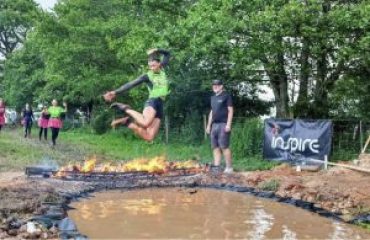
We laughed more than we ran. We walked parts of the course. We helped each other over obstacles. We cheered for strangers and strangers cheered for us. We took muddy photos and felt like we had done something huge — because for us, we had.
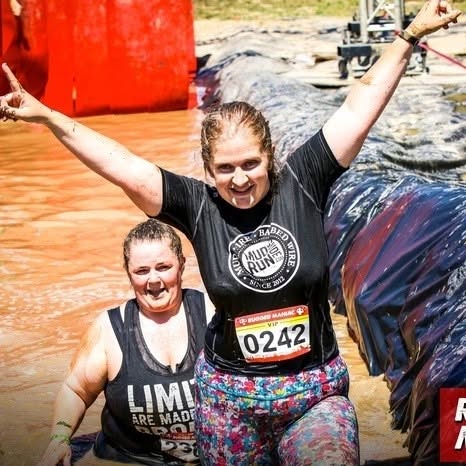
That day wasn’t about racing. It was about belonging.
Rugged Maniac didn’t ask us to be elite. It didn’t ask us to be strong. It didn’t ask us to be anything other than exactly who we were.
And that’s the part of OCR that’s hardest to replace.
⭐ The Locales That Made OCR Feel Possible
Another part of my “why” is simple but powerful: where Rugged Maniac chose to show up.
Many of their events were in major metro areas — not remote ski resorts, not far‑off ranches, not places that required a full weekend commitment or a long drive. Rugged Maniac planted itself right where people lived.
My local Rugged was close enough that I could bike to it. And I did. More than once.
There was something special about that. Something grounding. Something that made OCR feel like part of everyday life instead of a niche sport tucked away in the mountains.
For people like me — and for my mom’s best friend and her daughter — that accessibility mattered. We didn’t have to be athletes. We didn’t have to train for months. We didn’t have to travel. We could wake up, grab coffee, hop on a bike or in a car, and show up to a race that didn’t require us to prove anything.
Rugged Maniac made OCR local. It made OCR possible. It made OCR inviting.
When Rugged Maniac disappeared, we didn’t just lose a brand. We lost the race that lived close enough to touch.
⭐ The Warning Comes Full Circle
When the Spartan race director told me that losing Rugged Maniac would cost us something irreplaceable, he wasn’t talking about obstacles or medals or branding.
He was talking about the glue.
The thing that held the community together. The thing that made OCR feel welcoming instead of divided. The thing that gave newcomers a safe entry point and veterans a place to reconnect with joy.
He meant the moms. He meant the daughters. He meant the coworkers who tried OCR once and fell in love. He meant the people who didn’t see themselves as athletes but saw themselves as welcome.
He meant us.
And now that Rugged Maniac is gone, the community feels the absence in a way that’s hard to quantify but impossible to ignore.
⭐ What We Really Lost
We didn’t just lose Rugged Maniac.
We lost:
- the entry point for new athletes
- the race that made OCR feel fun instead of intimidating
- the shared experience that connected people across states and skill levels
- the brand that reminded us OCR could be simple, silly, and joyful
- the community energy that didn’t require defending or explaining
We lost the most welcoming doorway the sport ever had.
And that’s my why.
I’m writing this because I want us to remember that the heart of OCR wasn’t built by elites — it was built by everyday people who showed up, tried something new, and found community in the mud. Rugged Maniac was the place that made that possible.
The Spartan director was right. We didn’t just lose a race. We lost the last place where everyone felt like they belonged.